Shop the video
The Bright Spring fall capsuletwelve pieces, both ends
You put on an outfit where every piece is a color you love, and somehow it’s exhausting. Nothing in it is wrong — there’s just nowhere to look. So you split the difference: one bright thing, beige for the rest, and beige does less for you than it does for just about anybody. Here’s what’s actually going on. Out of the ten colors in your palette, exactly one is quiet — bright ivory — and no other palette on the site has fewer. Six of the other nine sit at almost the same brightness, so an outfit built from the middle has every piece shouting at one level. The fix isn’t a quiet color. It’s the two ends. Bright ivory and cobalt sit further apart than any two colors in any other Spring palette, so the rule is simple: both ends in every outfit. Do that, and you get something most palettes can’t have — two loud colors at once.
The pieces below are Amazon links, and Your Style Hue earns a commission if you buy through one — at no extra cost to you. Nothing here is paid placement. Each piece was chosen because its color actually matches the shade it sits under. Most come in a dozen colors, so check the one on Amazon matches before you buy.
The twelve pieces · tap one to jump to it




Wear it
Three outfits from the twelve.
Put together from the pieces on this page, so every one works with the rest. Tap a piece to see it on Amazon.
Both ends at once
Cobalt on top, bright ivory underneath. Your palette's dark end and light end in one outfit, which is what makes Bright Spring look awake.
Watermelon at your face
The loud color goes up top, where it does the most. Cobalt jeans and the ivory trench keep everything else clean.
One bright, one dark
Citrus with cobalt and nothing in between. Silver hoops, because you can wear both metals.



01 · Your base neutral
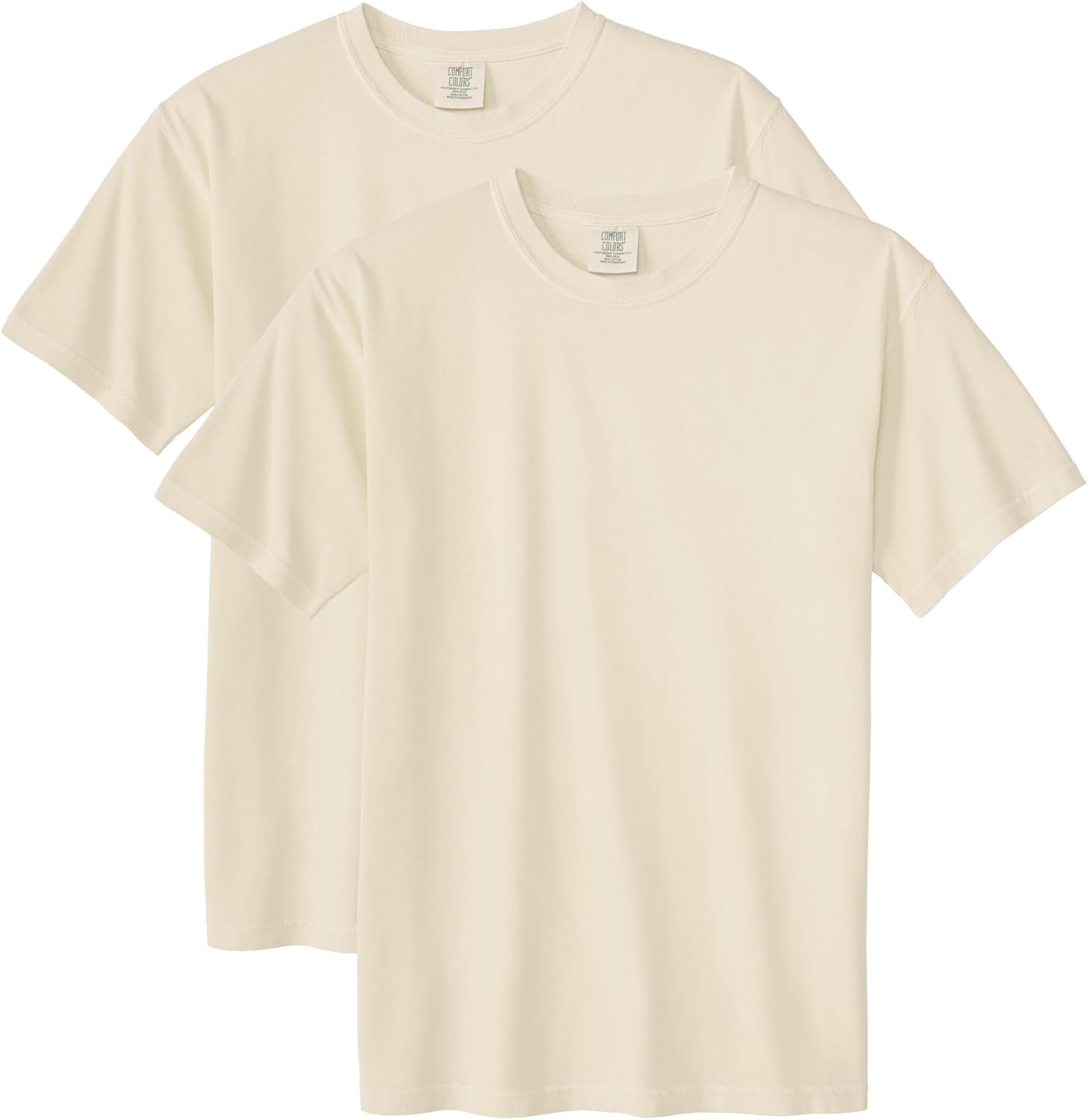
Bright Ivory
Bright ivory is the lightest thing in your palette by a long way, and it’s the only quiet color you’ve got.
Why this worksLess
Your season page is blunt about what it’s for: it does the job white does for everyone else, but with warmth in it, so it doesn’t go cold on your face. That’s also why it isn’t chalk white — a stark white gives your coloring nothing to answer. A heavyweight tee is the easiest place to start, and it’s the first of three bright ivory pieces on this page. That’s on purpose.
02 · Wear at the face
Watermelon
Watermelon is the one your palette says to wear at the face — the color that belongs in the same frame as your face.
Why this worksLess
It works for the same reason beige doesn’t: your features are already saturated, so a pink that’s been dialed down sits behind your face instead of lighting it up. A fine-knit crewneck puts it right at your collarbone, which is exactly where it does the most. It’s the loud color in the second outfit below, with both ends underneath it.

03 · Your navy
Cobalt
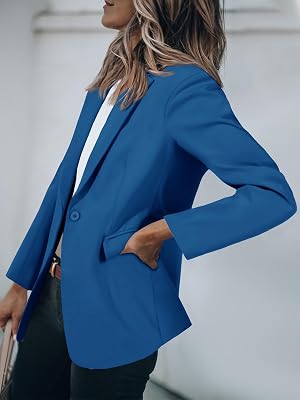
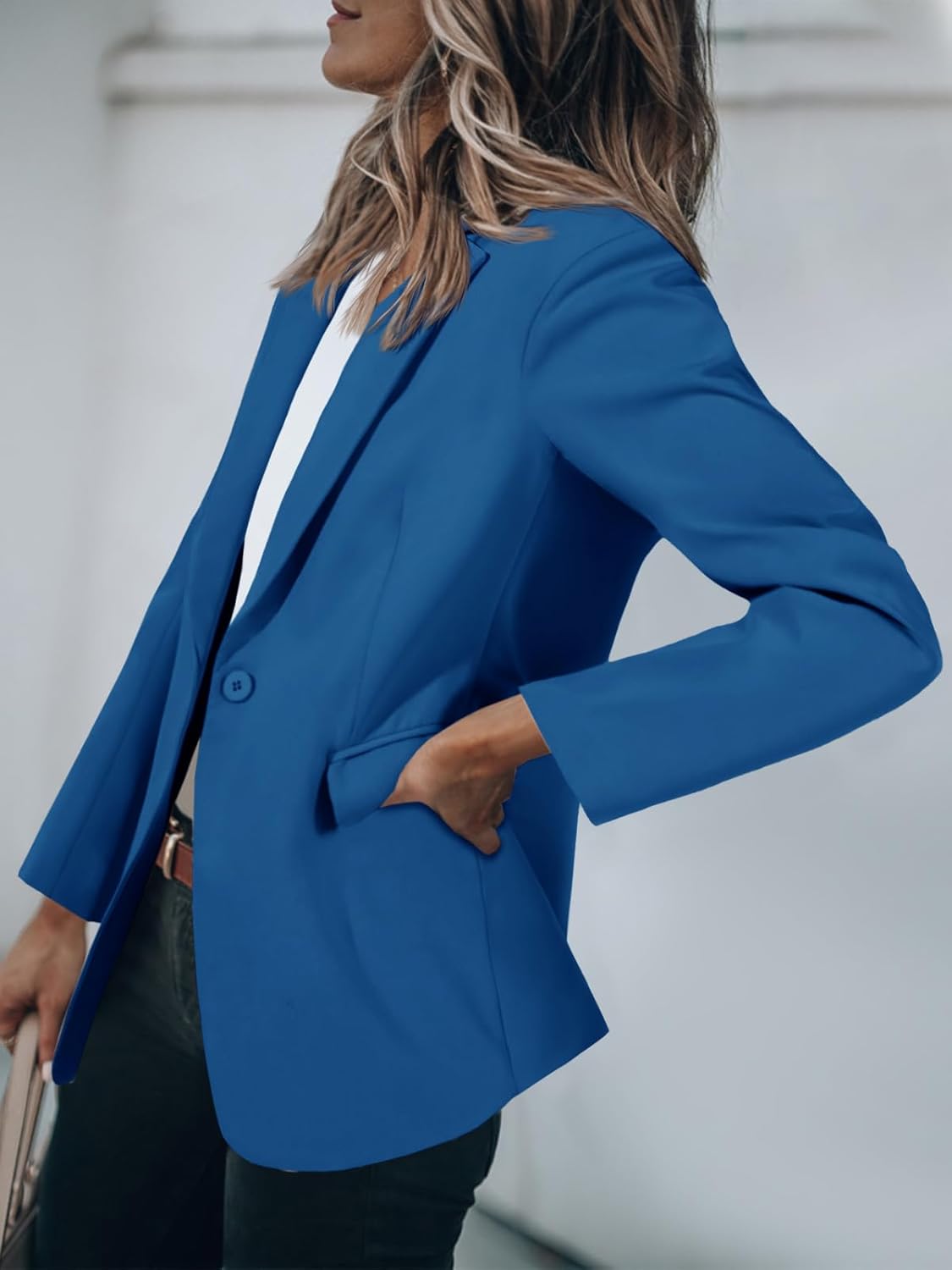
Cobalt is called your navy, and your season page is just as blunt about it: cobalt holds the same weight as black.
Why this worksLess
That’s what it’s for. Not a softened navy, not a greyed one — a real, saturated blue doing the job black does in everyone else’s closet. It’s the dark end of your palette, and this blazer is the first of three cobalt pieces here. Put it over the bright ivory tee and you’ve already got both ends in one outfit.
04 · Your accent
Citrus
Citrus is your accent, and it’s the one color here that’s light and loud at the same time.
Why this worksLess
It’s also the easiest one to get slightly wrong: a yellow that’s drifted toward mustard reads dusty on you, which is why this is a clean lemon rather than the golden version a lot of blouses come in. A chiffon blouse keeps it light enough to wear under the blazer or the trench. Put it with cobalt and bright ivory and it gets to be exactly as bright as it is.

05 · Your cool note
Bright Aqua
Bright aqua is the last of your five jobs, and it lives in the same crowded middle as watermelon and citrus.
Why this worksLess
A button-down shirt is the easiest way to wear it — under the blazer, under the coral cardigan, or on its own with the bright ivory pant. It’s one of the two loud colors in the third outfit below, and the two ends are the reason it gets to share.

Five down, seven to go
Not sure which of these is describing you?
That’s the normal answer, and it’s the whole reason the analysis exists. It reads your undertone, depth and contrast from a photograph and tells you which of the twelve seasons you are — which settles whether this palette is yours in about a minute.
06 · Repeats cobalt
Cobalt
Cobalt’s second appearance, on a big piece.
Why this worksLess
Your season page lists bright indigo and a clean mid blue as your denim, and says your jeans should look recent — a vintage, sun-faded wash is the one to leave. These sit toward the mid end: lighter than the blazer, and still clearly the darkest thing in any outfit they’re in. They go into two of the three outfits below.

07 · Repeats cobalt
Cobalt
Cobalt’s third appearance, and its smallest.
Why this worksLess
A loafer carries the dark end all the way down to the floor, so an outfit that’s bright ivory from the shoulders to the hem still has both ends in it. These are a soft suede moccasin in a vivid, saturated blue — relaxed rather than polished, and the easiest way to get cobalt into an outfit without a second big piece.

08 · Repeats bright ivory
Bright Ivory
The light end, on a big piece. A wide-leg pant in bright ivory gives the blazer outfit its whole lower half without adding a second loud color — it’s the quiet that lets cobalt be the only thing shouting. These are denim, in a warm off-white rather than a stark one, and they sit close enough to the tee and the trench to read as one color.

09 · Repeats bright ivory
Bright Ivory
The light end, on the biggest piece there is.
Why this worksLess
A cropped trench in bright ivory goes over two of the three outfits below, so it’s doing the light-end job even when everything under it is loud. It’s warm rather than chalk, and it reads as the same color as the pant. Between this, the pant and the tee, bright ivory turns up three times in twelve pieces — and so does cobalt. Half the capsule is the two ends. That’s the whole idea, worn.

10 · The one added color
Coral
Then one new color, and only one. Coral isn’t one of your five jobs, and it doesn’t need to be — it’s here as a layer, so it comes on and off. That’s how you decide whether today is a one-loud-color day or a two. Over the bright aqua shirt, with the cobalt jeans and the trench, it’s the second loud color in the third outfit, and it holds because both ends are already there.

11 · Both metals
Bright Gold
This is the best thing about your season.
Why this worksLess
Bright Spring is the only one of the twelve that gets both metals — yellow gold for your warmth, high-polish silver for your clarity. The deciding factor isn’t warm or cool. It’s shine. These knot earrings are polished to a mirror finish, which is the part that matters: brushed, hammered or matte gold reads soft next to you, whatever the color.

12 · Both metals
Bright Silver
The other half of it. Silver is the metal a warm season usually gets told to give up, and you don’t have to. Same rule as the gold: shine decides. A thick, high-polish hoop at 40mm is big enough to register next to a watermelon sweater or a cobalt blazer, and bright enough to match the clarity everything else on this page is built on.

The rule underneath it
Both ends, every outfit.
Bright Spring gets five colors with a job attached, same as every season on the site. Bright ivory is your base neutral. Cobalt is your navy. Watermelon is the one to wear at the face, citrus is your accent, and bright aqua rounds out the five. Those are the first five pieces on this page, and two of them — bright ivory and cobalt — are the two ends of your palette. Everything else hangs off them.
Here’s why that matters so much for you. Out of your ten colors, exactly one is quiet: bright ivory. No other palette on the site has fewer. And six of your ten — watermelon, coral, tulip pink, leaf, turquoise and bright aqua — sit at almost exactly the same brightness. Build an outfit out of that middle, which is the natural thing to do, and every piece shouts at the same level. Nothing is wrong, and there’s nowhere to look.
So the answer isn’t a quiet color. You haven’t got one to spare. The answer is the two ends. Bright ivory and cobalt sit further apart than any two colors in any other Spring palette, so once both are in an outfit, the range is handled before you’ve picked anything else. Which means you get to be greedy: with both ends in, you can wear two loud colors at once and it still holds, because the ivory and the cobalt are doing the work underneath them. Most palettes can’t do that. Yours can.
That’s why six of these twelve pieces are the two ends — cobalt on the blazer, the jeans and the loafers, bright ivory on the tee, the pant and the trench. And there are three ways to wear them, every one with both ends in it. The cobalt blazer over the bright ivory tee, with the ivory wide-leg pant and the loafers: both ends, one loud color, and the loud color is the blazer. The watermelon sweater with the cobalt jeans and the ivory trench over the top: both ends again, and your face color is doing the shouting. Then the greedy one — the bright aqua shirt with the coral cardigan over it, the cobalt jeans and the ivory trench. Two loud colors in one outfit, nothing quiet anywhere, and it still isn’t tiring, because the ends are there holding it.
If your palette’s got no quiet in it either, this is the part to take with you. Stop looking for a soft color to calm an outfit down. Find the two colors in your palette that sit furthest apart, and put both of them in. The distance does what the soft color was supposed to do.
Still deciding
Common questions.
- Twelve pieces but only five jobs — what are the other seven doing?
- Mostly repeating. Cobalt comes back twice, as the jeans and the loafers, and bright ivory comes back twice, as the wide-leg pant and the trench — so between the jobs and the repeats, six of the twelve pieces are the two ends of your palette. Coral is the one new color, as a cardigan you can take on and off. The last two are the metals, one gold and one silver. The twelve work together because they keep coming back to the same two ends, not because there are twelve different ideas in play.
- Why can a Bright Spring wear two loud colors at once when other palettes can’t?
- Because of how far apart your two ends are. On most palettes, you calm an outfit down by leaning on a soft color, and there are several to choose from. You have exactly one. What you have instead is range: bright ivory and cobalt sit further apart than any two colors in any other Spring palette. Put both in an outfit and that distance does the calming. With the range already handled, a second loud color has somewhere to sit — which is why the third outfit, with bright aqua and coral together, holds up.
- My palette has ten colors — why only six here?
- Turquoise, leaf, tulip pink and royal aren’t in this capsule, and it’s not because they’re wrong for you. Turquoise, leaf and tulip pink sit in the same crowded middle as the loud colors already here, so adding them would give the capsule more of what it already has plenty of. Royal is a close cousin of cobalt, and cobalt is already doing the dark-end job. Wear all four — they just aren’t what a twelve-piece foundation needs.
- Gold or silver?
- Both. Bright Spring is the only one of the twelve seasons that gets both metals — yellow gold matches your warmth and high-polish silver matches your clarity. The deciding factor is shine, not warm or cool. Brushed, hammered, matte and rose gold all read soft next to you, so whichever you reach for, keep it polished.
- I’m not a Bright Spring — is any of this useful?
- The colors won’t transfer, but the method will. Find the two colors in your palette that sit furthest apart — usually your lightest and your darkest — and put both of them in every outfit. If your palette has plenty of soft colors, you may never need the rule. If it doesn’t, the distance does what a soft color was supposed to do.
Before you go
Get the rest of your season’s shopping list.
One short letter every few weeks — the pieces, the colors and the swaps for your season specifically, not all twelve. No spam, and you can leave whenever you like.
Issue 02 · September 2026Fall only sells you two redsRead it first
More for Bright Spring
Your picks in the other guides.
- The fall wedding, by seasonYour pick: True royal blue
- You can change your top. You can’t change your blush.Your pick: Gorg Orange
- The right scarf color for your color seasonYour pick: Your accents
- The fall jacket, by seasonYour pick: The azure
- Date night, by seasonYour pick: An electric blue
- Rust or wine? The deep red for your color seasonYour pick: Rust or wine
- The fall sweater, in the color that is actually yoursYour pick: A muted brick-rose
- The right wash of jeans for your color seasonYour pick: The clear midwash
- The right red lipstick for your color seasonYour pick: Tomato
- The best white for every color seasonYour pick: Bright Ivory
- The best coat color for every color seasonYour pick: Warm Sand
- The best blazer color for every color seasonYour pick: Ink Navy
Not Bright Spring? Pick another season
Don’t know which one you are?
Find your season in a minute.
Upload a portrait and the analysis runs entirely in your browser. Your photo never leaves your device — there’s no server to send it to.
Find my colorsUndertone, depth and contrast are what decide which of the four neutrals is yours. The analysis measures all three rather than asking you to guess from a description.