Shop the video
The Deep Autumn fall capsuletwelve pieces, five jobs
Depth is the easy part of a Deep Autumn palette. Four of your ten colors are about as dark as colors get, and finding them is never the problem. Light is the problem. Warm cream is the only color in the whole palette that is properly light, and camel is the only other one anywhere near it — so when an outfit feels heavy on you it is almost never the wrong dark, it is that there is nothing lighter in it for the dark to sit against. Five of your colors have a job written next to them on your season page, and those five are the first five pieces below. The other seven repeat them. And five of the twelve are cream or camel, which is not an accident: they are the coat, the pants, the jacket, the tee and the sweater — the five biggest things on the page.
The pieces below are Amazon links, and Your Style Hue earns a commission if you buy through one — at no extra cost to you. Nothing here is paid placement. Each piece was chosen because its color actually matches the shade it sits under. Most come in a dozen colors, so check the one on Amazon matches before you buy.
The twelve pieces · tap one to jump to it




Wear it
Three outfits from the twelve.
Put together from the pieces on this page, so every one works with the rest. Tap a piece to see it on Amazon.
Dark and warm
Espresso and forest head to toe, with mustard as the one bright thing.
Oxblood at your face
The blouse goes by your face; camel pants and a warm belt do the rest.
Light on top
Warm cream near your face, camel for the big pieces, espresso where the outfit ends.




01 · Your black
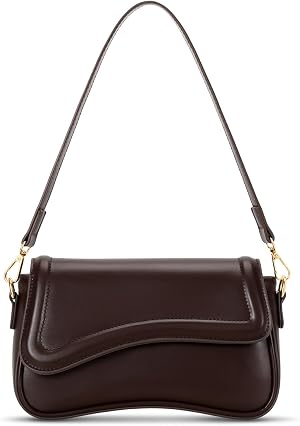
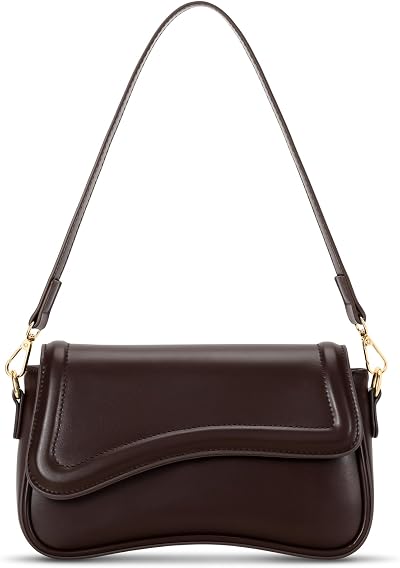
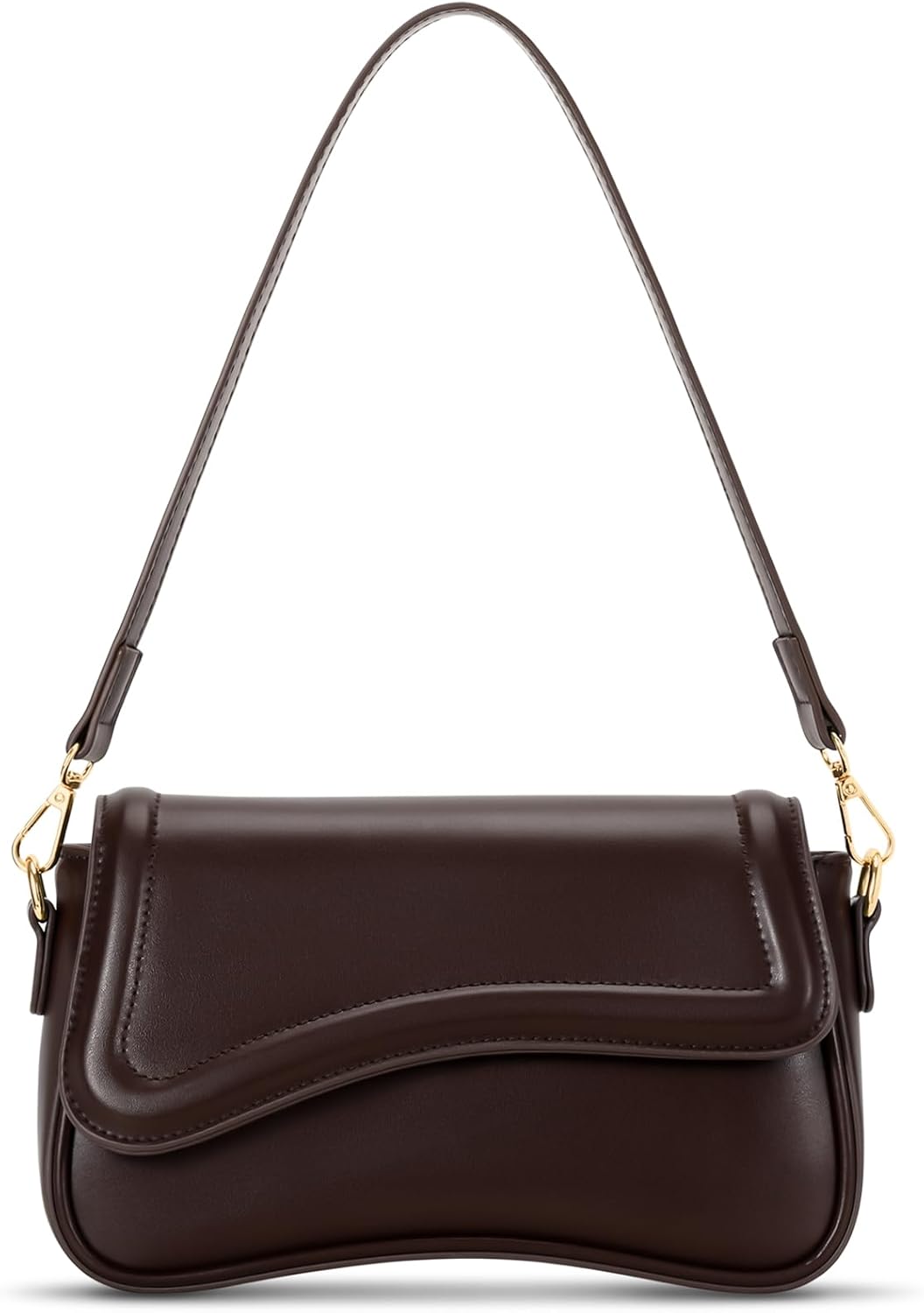
Espresso
Yours is the only palette of the twelve with a job actually called “your black”, and it is worth taking literally.
Why this worksLess
Anything you would have bought in black without really thinking about it goes here instead. A fine gauge matters more than it sounds — a heavy rib or a velvet in this shade photographs well below its own swatch and stops reading as brown at all, which is the one thing this color is not supposed to do.

02 · Wear at the face
Oxblood
In almost every other palette the shade that goes at your face is a lighter one.
Why this worksLess
Yours is one of the deepest colors you own, and that is exactly why the light in the rest of the outfit matters. Next to cream or camel this reads as color. Next to espresso and forest it can start to read as shadow. A blouse puts it where people actually look when they are talking to you.

03 · Your depth
Forest
This is the one big dark piece in the whole capsule, and it is one on purpose.
Why this worksLess
A palette with four near-black colors in it can absorb exactly one large piece of depth before the outfit turns into a single shape. One is plenty. A satin catches enough light to keep the shape readable, which a matte version of the same shade will not do.

04 · Coat and pants
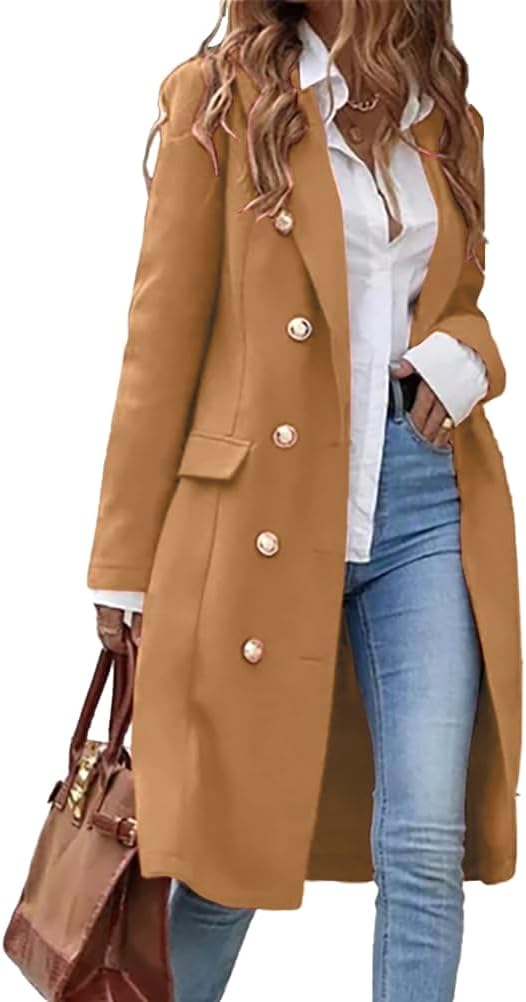
Camel
Camel’s job is the strange one, because it is not a word like “anchor” — it is two pieces of clothing.
Why this worksLess
Think about why. Those are the two biggest things you wear, and the palette puts one of its few lighter colors on both of them, so every dark piece you own has something to stand in front of. This is the piece to spend on if you spend anywhere.
05 · Your white
Warm Cream
The only properly light color in the palette, which means it earns its keep twice over — once as your white, and once as the thing that keeps everything above it from going heavy.
Why this worksLess
A plain tee is the least interesting piece on this page and probably the one you will wear most, because it is what sits under the coat, the jacket and every dark layer you own.

Five down, seven to go
Not sure which of these is describing you?
That’s the normal answer, and it’s the whole reason the analysis exists. It reads your undertone, depth and contrast from a photograph and tells you which of the twelve seasons you are — which settles whether this palette is yours in about a minute.
06 · Repeats camel
Camel
The other half of the job above. The palette named two garments and this is the second one — a wide leg in the same light neutral, which means the biggest piece below your waist is working with the coat rather than against it. Wear it with the espresso turtleneck and the whole outfit is big light, small dark.

07 · Repeats camel
Camel
A second light layer for the days the coat is too much, and suede is the texture this palette is built for.
Why this worksLess
Three camels in twelve pieces is not repetition running out of ideas — it is a column you can put anything against, and it is the reason the dark pieces further down this page have somewhere to sit.

08 · Repeats warm cream
Warm Cream
A light top that is not the tee, so you have something light to wear on its own rather than only as a layer underneath.
Why this worksLess
Put it above the forest skirt and you have the whole idea of this capsule in one outfit — the one big dark piece, with something light right above it.

09 · Repeats espresso
Espresso
One of the jobs black usually does, handed to the color that actually belongs to you.
Why this worksLess
Small and dark is exactly right — the rule this capsule runs on is that the dark goes on the small pieces, and a boot is about as small as a dark piece gets while still finishing an outfit.

10 · Repeats espresso
Espresso
The second thing you would have bought in black.
Why this worksLess
Matching it to the boot is not a rule you have to follow, but it is the easiest way to make two small dark pieces read as one decision rather than two.
11 · Small, dark, warm
Burnt Sienna
A thin line of something warm at your waist does more than you would think, particularly over a skirt or a tucked knit where there is a lot of one color happening at once.
Why this worksLess
Small enough to be a detail, warm enough to stop the espresso and forest pieces from being the only dark notes in the outfit.

12 · The one bright thing
Mustard
The only genuinely bright thing in the twelve, and small enough to get away with it.
Why this worksLess
On a palette this deep a bright accent has to be tiny or it takes over the outfit — earrings are the size where mustard reads as a decision rather than a statement.

The rule underneath it
The light goes on the big pieces.
A palette is a set of jobs rather than a list of colors you are allowed to wear. Deep Autumn assigns five of them — your black, the shade that goes at your face, your depth, your white, and a coat and a pair of pants. Those five are the first five pieces on this page, and they are the ones to get right.
Then you run out of jobs, and there are still seven pieces to buy. On this palette the question of which seven is not really a question about color at all. You have four shades that are about as dark as colors get, and one — warm cream — that is properly light. Camel is the only other one within reach of it. So the thing your wardrobe is short of is never depth. It is somewhere for the depth to sit.
Which is why the five biggest pieces here are cream or camel: the coat, the pants, the jacket, the tee and the sweater. You are never wearing all twelve at once — you are wearing four or five, and whatever takes up the most room in those four or five is what the outfit reads as. Put the light there and the dark has something to stand in front of. Put the dark there and no accessory is going to fix it.
The dark goes on the small pieces instead, and at your face. The boot, the bag, the belt, the earrings — and the blouse, because what is near your face is worth spending a strong color on. One large dark piece is the whole allowance, and on this page it is the skirt. One is plenty.
Which is also why this transfers. The colors here belong to Deep Autumn. The structure belongs to everyone. Every palette is short on something — yours might be short on dark, or on anything quiet at all — and whatever yours is short on is what belongs on the big pieces. Your season page names your own roles. Fill those first, then let everything else repeat.
Still deciding
Common questions.
- Twelve pieces but only five jobs — what are the other seven doing?
- Repeating. Camel turns up three times across the twelve, espresso three times and warm cream twice, and only two of the last seven bring in a color that was not already doing a job. That is deliberate. A wardrobe does not coordinate because it contains twelve nice things; it coordinates because a small number of colors keep reappearing in different shapes. On this palette it matters more than most, because the two colors doing the repeating are the only light ones you have.
- Why are the biggest pieces all the light colors?
- Because you are never wearing all twelve at once. You are wearing four or five, and whatever takes up the most room in those four or five is what the whole outfit reads as. If the big pieces are dark it is a dark outfit, however much gold you put on with it. So the coat, the pants, the jacket, the tee and the sweater are cream or camel, and the dark goes on the small pieces and at your face. That single rule is most of what this capsule is.
- My palette has ten colors. Why are only seven of them here?
- Aubergine, burnt orange and bronze are left out, and none of them for being wrong. Aubergine sits close enough to espresso in depth that in most rooms you would not be able to say which one you were looking at. Burnt orange and bronze are both wonderful and both want to be the loudest thing in an outfit, which is a one-piece-at-a-time job rather than a foundation. All three belong in your closet. None of them belongs in the twelve pieces holding it together.
- Does black really not work on me?
- That is not what this page says. Espresso is here because your palette hands you a deep neutral of its own and gives it a name — “your black” is the role written on your season page, not a verdict on anything already in your closet. So the practical version is short: when you are buying a new deep neutral, buy this one, because it is the shade the rest of your palette was chosen against and everything here is built to sit with it. What you already own and love is not the question this page is answering.
- I am not a Deep Autumn. Is any of this useful to me?
- The colors are not yours but the method is. Every palette is short on something — yours is short on light, some are short on dark, some on anything quiet at all. Whatever yours is short on is what goes on the big pieces, because the big pieces are what the outfit reads as. Your season page names your own roles; fill those first, then let everything else repeat.
Before you go
Get the rest of your season’s shopping list.
One short letter every few weeks — the pieces, the colors and the swaps for your season specifically, not all twelve. No spam, and you can leave whenever you like.
Issue 02 · September 2026Fall only sells you two redsRead it first
More for Deep Autumn
Your picks in the other guides.
- The fall wedding, by seasonYour pick: Deep coffee brown
- You can change your top. You can’t change your blush.Your pick: Bronze Bombshell
- The right scarf color for your color seasonYour pick: The camel
- The fall jacket, by seasonYour pick: The emerald
- Date night, by seasonYour pick: A forest green at full depth
- Rust or wine? The deep red for your color seasonYour pick: Rust
- The fall sweater, in the color that is actually yoursYour pick: An olive
- The right wash of jeans for your color seasonYour pick: Dark indigo
- The right red lipstick for your color seasonYour pick: Brick
- The best white for every color seasonYour pick: Warm Cream
- The best coat color for every color seasonYour pick: Espresso
- The best blazer color for every color seasonYour pick: Espresso
Not Deep Autumn? Pick another season
Don’t know which one you are?
Find your season in a minute.
Upload a portrait and the analysis runs entirely in your browser. Your photo never leaves your device — there’s no server to send it to.
Find my colorsUndertone, depth and contrast are what decide which of the four neutrals is yours. The analysis measures all three rather than asking you to guess from a description.